
Home/ Programs
What we do

Integrated programs that meet every stage of crisis.

Our thematic areas work together — because a child who is fed also needs to be safe, in school, and drinking clean water.

In depth

How each program works

Tap any area to see the needs on the ground and exactly how CRI responds.

Health

South Sudan has one of the worst child mortality rates in the world — 96 deaths per 1,000 live births, with 75% of child deaths caused by preventable diseases like diarrhoea, malaria and pneumonia. CRI brings health services to communities where the nearest clinic is more than five kilometres away.

  • Health promotion and disease prevention — tetanus vaccination, malaria treatment, nutrition counselling and family planning.
  • Antenatal care: identifying pregnant women, monthly mobile ANC clinics, PMTCT and referral of high-risk cases.
  • Expanded Programme on Immunization (EPI) — routine and mobile services with defaulter tracing.
  • Malaria, TB, HIV/AIDS and acute respiratory infection prevention, detection and treatment.
  • Adolescent & reproductive health services and youth-friendly counselling.

Education

At least 2.2 million children in South Sudan are out of school — one of the highest rates in the world — and girls are hit hardest, with about 60% of 7-year-old girls not enrolled. CRI works to keep vulnerable children in the classroom.

  • Payment of school fees and provision of scholastic materials for orphans and vulnerable children.
  • Secondary-education scholarships for girls who excel but cannot afford to continue.
  • Vocational and skills training for out-of-school youth.
  • Provision of dignity kits so girls stay in school with confidence.
  • School-based counselling, psychosocial support and IEC awareness boards.

Protection — GBV & Child Protection

Conflict and displacement have left 9,699 children in active cases as unaccompanied, separated or missing. Women and girls bear a disproportionate burden of gender-based violence. CRI builds protective systems woven by the community itself.

  • Awareness raising on human rights, dignity and referral pathways for women and girls.
  • Engaging Men through Accountable Practice (EMAP) — bringing men and boys into protection.
  • Comprehensive GBV case management, psychosocial support and Women & Girls Friendly Spaces.
  • Economic empowerment through Income Generating Activities (IGA) and dignity kit distribution.
  • Child Friendly Spaces, Family Tracing & Reunification (FTR), and advocacy for children associated with armed groups (CAAFAG).

Food Security & Livelihood

Some 6.5 million people — 55% of the population — face severe acute food insecurity. CRI works strategically, and especially with women, to rebuild the capacity to grow food and chase off the spectre of hunger.

  • Bio-intensive gardening in both schools and communities.
  • Distribution of agricultural items and tools — seeds and seedlings.
  • Agricultural advisory services integrating entrepreneurship training and women's farming groups.
  • Training farmers on modern agricultural methods and safe use of inputs.

Nutrition

More than a third of children who die before age five suffer from under-nutrition, and women and girls carry the highest burden. CRI screens, treats and prevents malnutrition through the community.

  • Routine screening of children under five and pregnant & lactating women.
  • Referral and treatment of Severe and Moderate Acute Malnutrition (SAM/MAM) through OTP and TSFP.
  • Training of nutrition and health staff on the CMAM protocol.
  • Mother-to-mother support groups and community nutrition volunteers promoting MIYCN.

WASH — Water, Sanitation & Hygiene

Half the population lacks access to safe water. With water coverage at 41%, sanitation at 11% and open defecation at 63%, waterborne diseases like cholera remain leading killers of children. CRI closes that gap.

  • Hygiene and sanitation promotion, including Community-Led Total Sanitation (CLTS).
  • Construction and rehabilitation of latrines in public places and institutions.
  • Rehabilitating and constructing safe water points based on community assessment.
  • Training Water User Committees to manage and maintain water points.
Woven through everything

Cross-cutting commitments

Across every program, we hold to the same threads that make change last.
  • Capacity building of government counterparts and community-based organizations.
  • Focus on women & youth in every intervention and leadership structure.
  • Public awareness & advocacy on protection, GBV and child rights.
  • Environmental protection and climate-smart approaches to livelihoods.
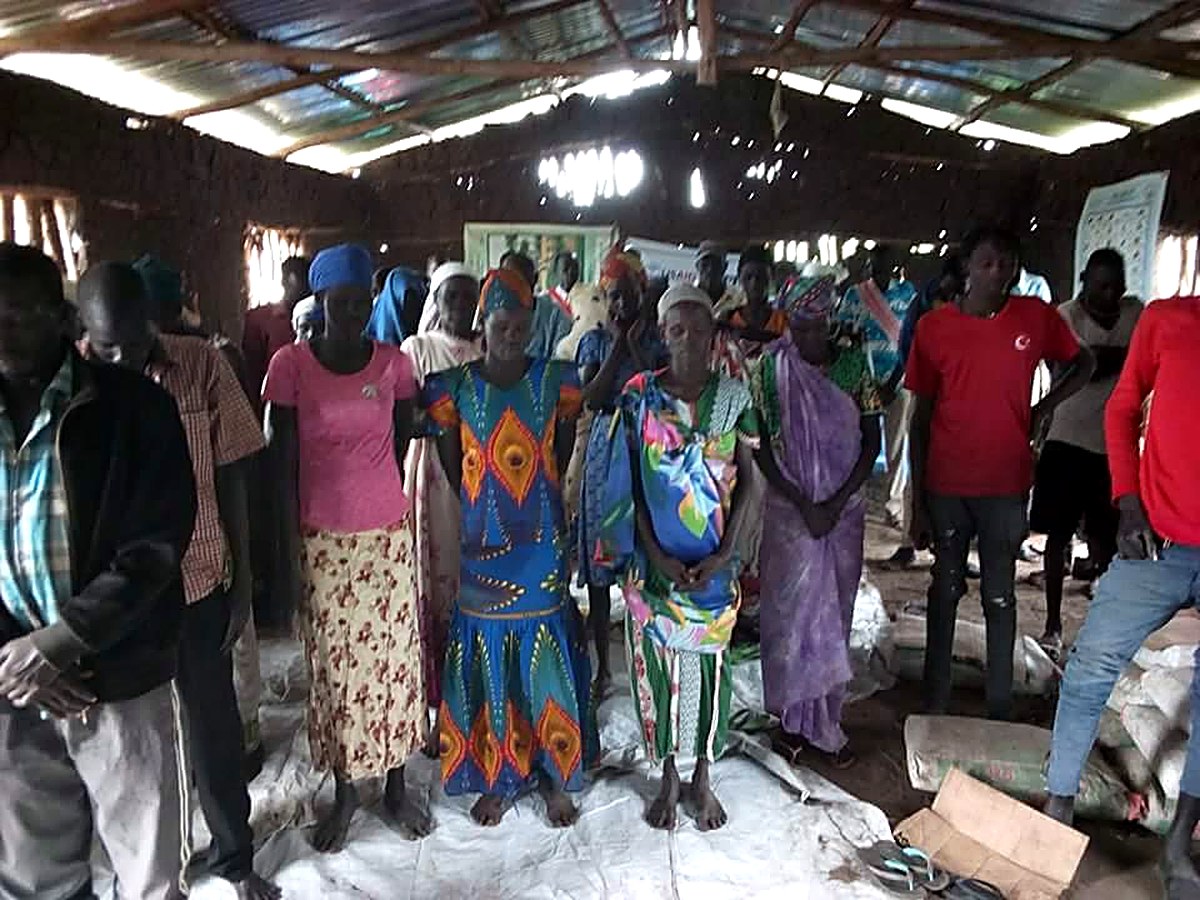
Training of women and men on psychosocial first aid in a CRI community session Psychosocial first aid training

Fund a program. Change a future.

Direct your gift to the thematic area closest to your heart — health, education, protection and more.

Donate to a program